
Technology has fundamentally transformed sports from intuition-based coaching into precise, data-driven performance optimization. This comprehensive analysis examines how wearable devices and advanced analytics are reshaping athletic performance, injury prevention, and fan engagement across all levels of competition.
Introduction
The intersection of technology and sports has created unprecedented opportunities for athletes, coaches, and organizations. From GPS-enabled tracking vests collecting over 1,000 data points per second to AI-powered injury prediction systems achieving 78-82% accuracy, modern sports have become increasingly data-driven. This technological revolution spans performance optimization, tactical analysis, injury prevention, and fan engagement, fundamentally changing how we approach athletic excellence.
Market Growth and Industry Adoption
Explosive Market Expansion
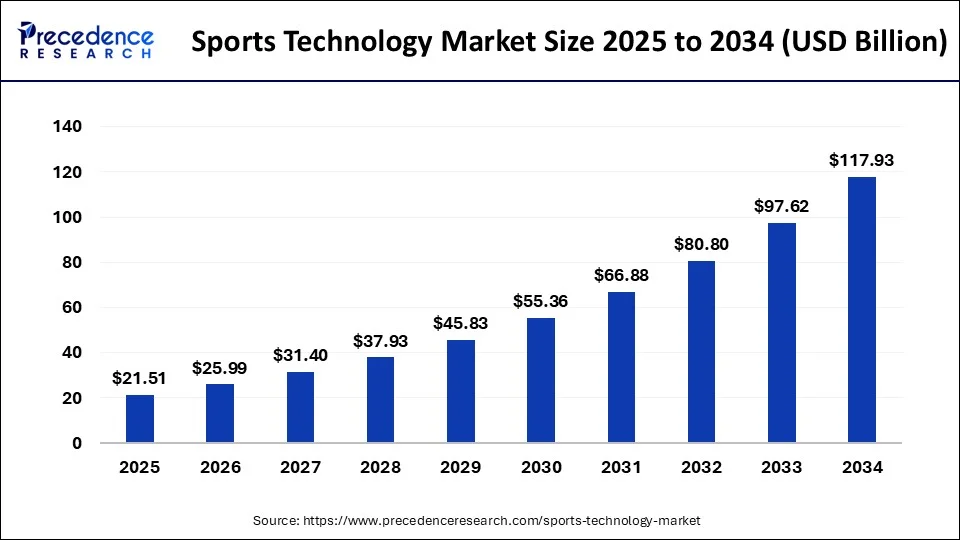
The sports technology sector is experiencing remarkable growth across multiple segments:
| Market Segment | 2024 Value | 2030/2033 Projection | CAGR |
| Sports Analytics Market | USD 4.47B | USD 14.48B (2030) | 20.6% |
| Sports Tech (Wearables + IoT) | USD 19.34B | USD 96.54B (2033) | 19.56% |
| Global Sports Technology | USD 31.1B | USD 55.14B (2030) | 20.8% |
These figures demonstrate that technology has evolved from a competitive luxury to an operational necessity in modern sports.
Data Analytics: Transforming Performance Optimization
Measurable Performance Gains
Recent 2025 research demonstrates clear, quantifiable benefits from integrated big data frameworks that combine wearables, video analysis, and self-reported data. Advanced analytics platforms process millions of data points in real-time, providing coaches with actionable insights during competition.
| Sport | Measured Improvement | Impact Level |
| Football (Soccer) | 12% reduction in hamstring injuries overall; 30% among high-risk players | High |
| Basketball | 16% improvement in clutch decision-making; 22% reduction in turnovers | High |
| Track & Field (Sprinting) | 8% reduction in 100m times (11.25s to 10.35s average) | Very High |
| Multi-Sport (Wearables) | 15% gains in speed/endurance over 12 weeks; 30% fewer soft-tissue injuries | Very High |
Machine Learning and Predictive Analytics
Machine learning algorithms have revolutionized injury prediction and performance forecasting:
Sport-Specific Applications
Baseball: Biomechanical Analysis
High-speed cameras capturing 1,000+ frames per second, combined with force plate data, reveal that elite pitchers generate peak shoulder internal rotation velocities exceeding 7,000 degrees per second. This granular data enables coaches to identify inefficient movement patterns that increase injury risk while optimizing velocity and control.
Soccer: GPS Tracking and Tactical Analysis
GPS tracking systems measure player workload with 95-98% accuracy compared to traditional video analysis. Analysis of over 10,000 professional soccer matches reveals:
Basketball: Spatial Tracking
Advanced spatial tracking measures defensive positioning with centimeter-level precision. Data indicates that reducing the closest defender distance by just 0.6 meters decreases three-point shooting percentage by approximately 8-10 percentage points across thousands of attempts.
Wearable Devices: The Critical Data Layer
Evolution of Wearable Technology
Wearable devices have evolved from simple pedometers to sophisticated monitoring systems tracking multiple physiological parameters simultaneously. Modern wearables monitor heart rate variability (HRV), oxygen saturation (SpO₂), skin conductance, cortisol levels, sweat electrolytes, GPS positioning, acceleration forces, and detailed biomechanical data.
SPARTA System: AI-Driven Biosensor Integration
A cutting-edge 2025 AI-driven system called SPARTA demonstrates the precision of modern wearable technology:
| Metric Monitored | Accuracy/Precision |
| SpO₂ (Oxygen Saturation) | 91.34% |
| Skin Conductance | 88.72% |
| Sweat Electrolyte Analysis | 82.64% correlation with lab results |
| Non-Invasive Cortisol Tracking | 78.65% |
Athletes using similar AI-enhanced wearables achieved remarkable results:
Types of Wearable Devices
1) GPS Tracking Vests

Elite soccer players wear GPS-enabled vests during training and matches that collect over 1,000 data points per second, monitoring total distance covered, sprint speeds, acceleration and deceleration events, and metabolic power output measured in watts per kilogram.
2)Sweat-Sensing Patches
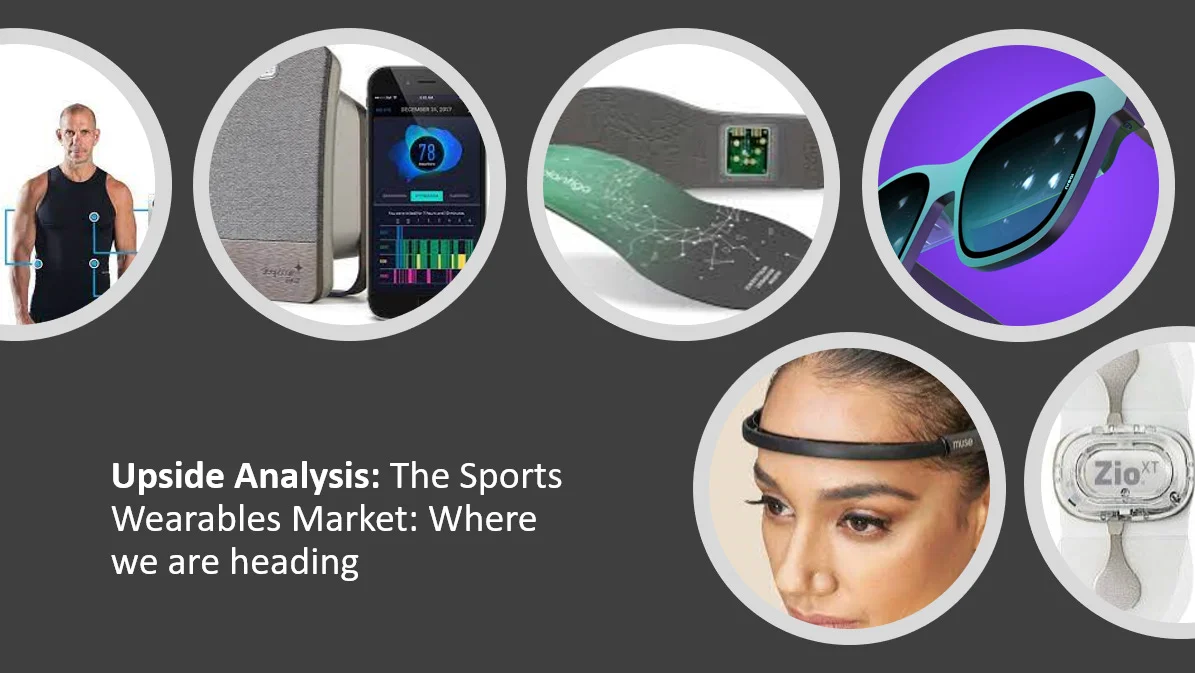
Advanced sweat-sensing patches track biochemical markers in real-time, including electrolyte levels, lactate concentration, and hydration status. These enable personalized hydration alerts, recovery optimization, and tailored nutrition strategies.
3)Heart Rate and HRV Monitors
Consumer-grade heart rate monitors now achieve ±3% accuracy compared to electrocardiogram gold standards. Elite athletes use HRV monitoring to guide recovery timing and detect early signs of overtraining.
4)Sport-Specific Sensors
Specialized devices include underwater motion sensors for swimming (measuring stroke rate of 30-50 strokes per minute in freestyle), power meters for cycling (measuring force output with ±1.5% accuracy), and smart jerseys with embedded sensors.
Training Load Management and Recovery
Acute-to-Chronic Workload Ratio
One of the most significant applications involves managing athlete workload to balance performance gains with injury prevention. The acute-to-chronic workload ratio (calculated by dividing the current week's training load by the four-week rolling average) has emerged as a critical metric.
| Workload Ratio | Performance Impact | Injury Risk |
| 0.8 - 1.3 (Optimal) | Maximized performance with optimal adaptation | Minimized |
| > 1.5 (Excessive) | Reduced performance due to fatigue accumulation | 2-4x Higher |
| < 0.8 (Insufficient) | Suboptimal training stimulus | Low |
Studies involving over 2,600 athletes across multiple sports validate these findings, demonstrating that maintaining optimal workload ratios minimizes injury risk while maximizing performance adaptation.
Sleep and Recovery Monitoring
Elite athletes use apps and wearables to track sleep quality, resting heart rate variability, and subjective wellness markers. Research demonstrates significant performance impacts:
Real-Time Performance Feedback Systems
Cycling: Power-Based Training
Power meters measuring force output with ±1.5% accuracy allow cyclists to calibrate training intensity precisely. Professional cyclists target specific training zones measured in watts per kilogram, with elite performers sustaining 6.0-6.5 watts/kg during 20-minute efforts at lactate threshold.
Swimming: Stroke Analysis
Underwater motion sensors and pressure-sensitive swimsuits provide stroke-by-stroke analysis, measuring stroke rate (30-50 strokes per minute in freestyle), stroke length, underwater time, and turn efficiency. Data shows that reducing underwater drag by just 5% can improve race times by 0.3-0.5 seconds per 50 meters at elite levels.
Injury Prevention and Rehabilitation
Biomechanical Risk Assessment
Three-dimensional motion capture systems, analyzing movement patterns, identify biomechanical risk factors for anterior cruciate ligament (ACL) injuries. Research involving over 800 female athletes found that those exhibiting knee valgus angles exceeding 10 degrees during landing tasks showed a 4-6 times higher ACL injury rate over subsequent seasons.
Virtual Reality Rehabilitation
VR-based rehabilitation protocols provide controlled, progressive loading environments. Studies demonstrate that VR rehabilitation can accelerate return-to-sport timelines by 15-20% compared to traditional methods while maintaining equivalent re-injury rates below 5% at 12-month follow-up.
Impact on Fan Engagement and Experience
Digital Platforms and Streaming
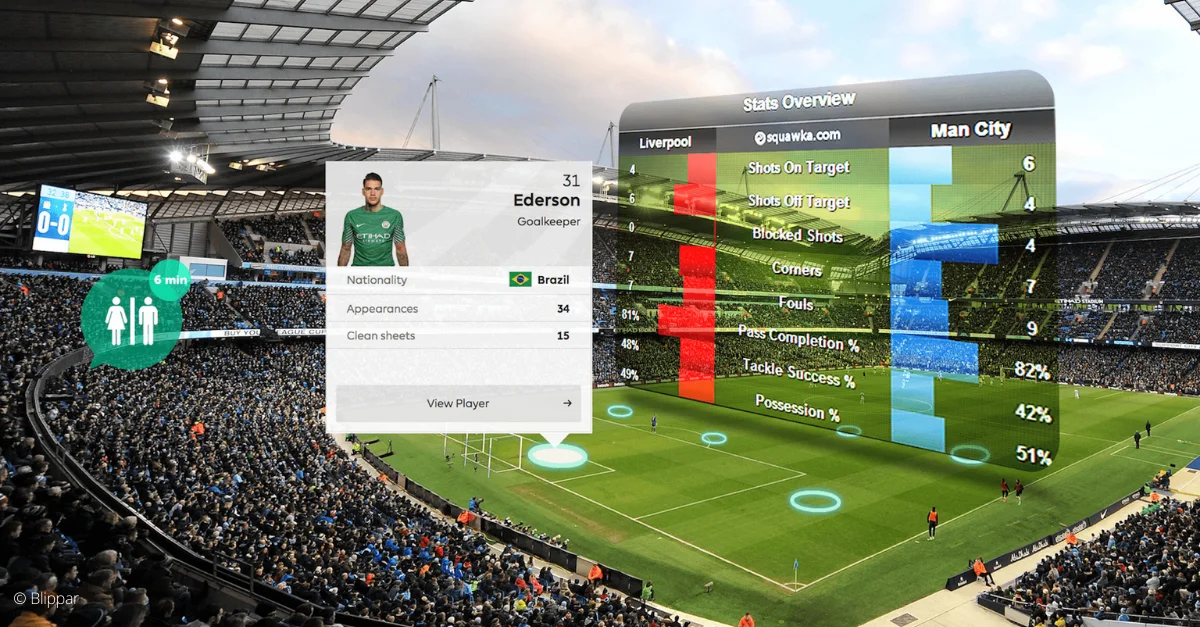
Digital platforms and streaming services have transformed fan experiences, providing instant replay, multi-angle viewing, and real-time statistics. Fans can access comprehensive game data, player tracking information, and advanced analytics previously available only to professional teams.
Augmented and Virtual Reality
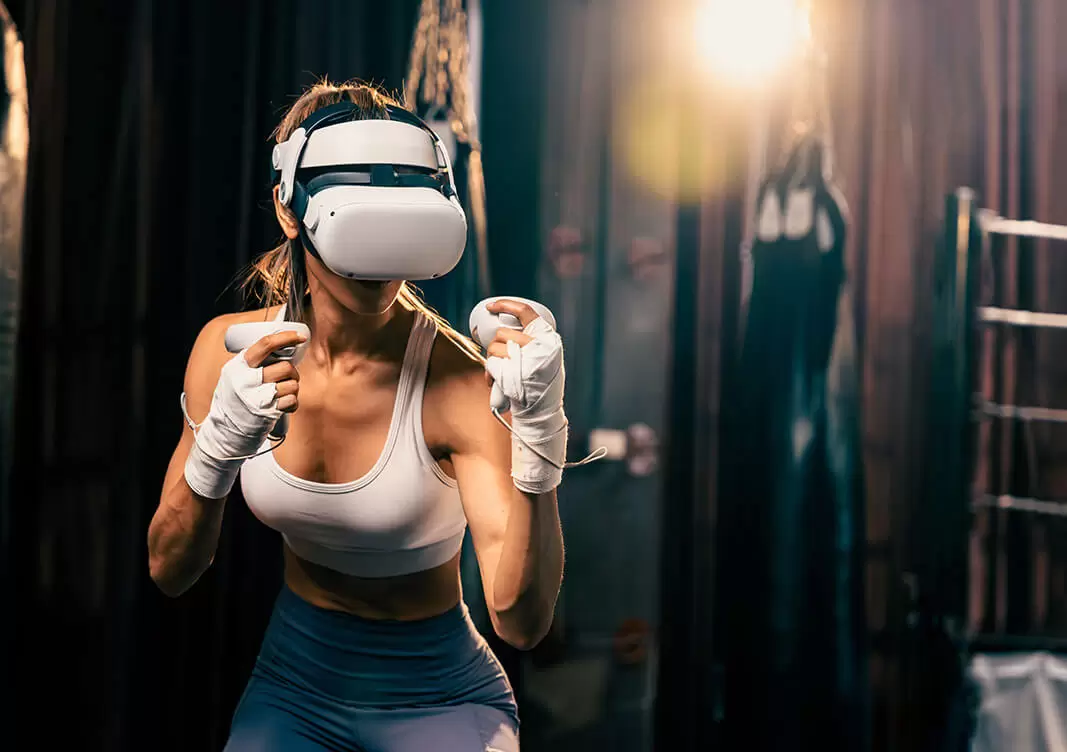
AR and VR technologies offer immersive experiences, including courtside views from home, virtual training simulations, and interactive game experiences. These technologies allow fans to experience sports from unprecedented perspectives.
Social Media Integration
Teams and athletes leverage platforms like Twitter, Instagram, and TikTok to connect with fans, share behind-the-scenes content, and create viral moments. Hashtags, fan polls, and interactive challenges have transformed passive viewership into active engagement.
Challenges and Ethical Considerations
Data Overload and Information Management
Many organizations collect far more information than they can meaningfully analyze. Research suggests that coaches and athletes can effectively process approximately 5-7 key performance indicators, yet some systems track 50+ metrics simultaneously. The challenge lies in identifying which data points drive meaningful improvements.
Privacy and Data Security
Wearable devices collect increasingly personal physiological data, raising concerns about data ownership, third-party access, and privacy rights. Professional leagues are developing frameworks to balance performance optimization with athlete privacy protection.
Equity in Technology Access
Not every team has the budget for cutting-edge analytics tools or VR experiences, creating potential competitive imbalances. However, the democratization of sports technology continues, with consumer-grade devices approaching professional-level accuracy at accessible price points (GPS watches and heart rate monitors under $300).
Impact on Traditional Practices
The shift from instinct-based coaching to data-driven decision-making raises questions about balancing technological insights with traditional expertise and the human element of sports. Over-reliance on technology could potentially undermine coaching intuition and athlete autonomy.
Future Trends and Emerging Technologies
Artificial Intelligence and Edge Computing
AI will enhance game strategies, improve fan experiences, and provide predictive analytics for injury prevention and performance optimization. Edge computing will enable real-time processing of wearable data without cloud delays.
Next-Generation Wearables
Emerging innovations include:
Blockchain and Advanced Analytics
Blockchain technology for secure ticket sales and fan engagement, combined with increasingly sophisticated analytics for player health monitoring and performance prediction.
Success Stories and Case Studies
Oakland Athletics: The Moneyball Revolution
The Oakland Athletics pioneered the use of data analytics in baseball with their "Moneyball" approach, demonstrating how meticulous data analysis could compete with wealthier opponents. This case study illustrates the transformative power of analytics in identifying undervalued talent and optimizing team composition.
NBA: Player Tracking Technology
The NBA's implementation of player-tracking technology has revolutionized game strategy, allowing teams to analyze players' efficiency, spatial positioning, and defensive effectiveness in real time. This technology has fundamentally changed how teams evaluate talent and develop game plans.
Conclusion
Technology has irrevocably transformed sports, converting intuition-based coaching into evidence-driven performance optimization. Wearable devices generating millions of data points and analytics platforms processing this information in real-time have created unprecedented opportunities for athletes to maximize performance while minimizing injury risk. The market’s rapid growth—from USD 31.1 billion in 2024 to a projected USD 55.14 billion by 2030—reflects a global shift in which technology is no longer optional but essential for competitive success.
However, while AI, analytics, and wearable technology are shaping how athletes train, recover, and perform, the future of sports is also being built into the products athletes wear. At Colaro Sports, we believe innovation doesn’t stop at performance data—it continues in premium sportswear, high-performance activewear, and advanced custom sportswear designed for real athletes and real conditions. That’s why, at this stage, we are introducing premium fabric that feels like a feather but works like armor, engineered to deliver comfort, durability, and protection against changing weather.
As a growing sportswear manufacturer and trusted name in custom team uniforms, Colaro Sports is committed to pushing beyond traditional apparel. Whether it’s custom gym wear, training wear, football uniforms, basketball uniforms, cricket uniforms, or sportswear for clubs and teams, our goal is to combine modern fabric engineering with future-ready technology—so athletes can perform at their best without compromise.
Looking ahead, Colaro Sports will continue investing in product improvements, including advanced fabric development, smarter performance features, and innovation in custom sports apparel and sports clothing manufacturing. The next era of sports belongs to those who combine human excellence with intelligent systems—and Colaro Sports is here to support that journey through next-generation sportswear.
Answers to common questions about the Impact of Technology on Sports
Data analytics provides teams with detailed insights into player performance, allowing coaches to tailor training regimens and game strategies based on quantifiable data rather than intuition alone. This leads to more informed decisions, optimized workload management, and improved overall team performance. Teams can now identify inefficiencies, predict injury risks, and make real-time tactical adjustments based on millions of data points.
Common wearable devices include GPS tracking vests (collecting 1,000+ data points per second), heart rate and HRV monitors (±3% accuracy), sweat-sensing patches (tracking electrolytes and biochemical markers), power meters for cycling (±1.5% accuracy), underwater motion sensors for swimming, and smart clothing with embedded biosensors. The SPARTA system represents cutting-edge integration, achieving 91.34% accuracy in SpO₂ monitoring and 82.64% correlation with lab-based sweat analysis.
Key ethical concerns include data privacy (who owns and can access physiological data), equity in technology access (creating competitive imbalances between well-funded and resource-limited teams), potential over-reliance on data that undermines traditional coaching methods and athlete autonomy, and the risk of data overload where organizations track 50+ metrics but can only meaningfully act on 5-7 key indicators.
Emerging trends include AI-driven performance analysis and predictive modeling, sweat-based glucose and lactate monitoring for real-time metabolic tracking, cognitive load tracking via EEG sensors, nano sensors for enhanced physiological accuracy, blockchain for secure ticketing and fan engagement, fully integrated AR/VR training environments, edge computing for real-time wearable data processing, and smart jerseys that predict injury risks before occurrence. The convergence of these technologies will create increasingly personalized, precise, and proactive athletic development systems.
Modern wearable devices achieve impressive accuracy levels: GPS tracking systems measure player workload with 95-98% accuracy, heart rate monitors show ±3% accuracy compared to ECG gold standards, the SPARTA system achieves 91.34% accuracy in SpO₂ monitoring and 88.72% precision in skin conductance, power meters for cycling measure force output with ±1.5% accuracy, and GPS watches are accurate within 2-5 meters. Consumer-grade devices now approach professional-level precision at prices under $300.
The acute-to-chronic workload ratio (calculated by dividing the current week's training load by the four-week rolling average) is a critical metric for balancing performance gains with injury prevention. Studies involving over 2,600 athletes demonstrate that maintaining ratios between 0.8 and 1.3 optimizes performance while minimizing injury risk. Athletes exceeding a ratio of 1.5 show 2-4 times higher injury likelihood. This metric helps coaches make data-informed decisions about training intensity and recovery timing.