
Sweatshirts have evolved from simple athletic wear to year-round wardrobe essentials that bridge comfort, style, and functionality. However, the same heavyweight fleece pullover that provides cozy warmth in January can leave you uncomfortably overheated and sticky in July. The key to maximizing both comfort and performance lies in understanding fabric properties and selecting materials specifically suited to seasonal weather conditions. This comprehensive guide will help you navigate the world of sweatshirt fabrics, empowering you to build a versatile collection that serves you well throughout the year—from unpredictable spring mornings to sweltering summer evenings, crisp fall days, and frigid winter nights.
Understanding Sweatshirt Fabric Fundamentals
Before diving into seasonal recommendations, it's essential to understand the core properties that make certain fabrics excel in specific conditions.
Natural vs. Synthetic Fibers
The foundation of any fabric discussion starts with fiber type. Natural fibers like cotton and wool offer exceptional breathability, softness, and that comfortable "lived-in" feel many people prefer. Cotton remains the gold standard for everyday comfort, allowing air circulation and moisture absorption that keeps you feeling fresh. Synthetic fibers—primarily polyester and nylon—bring different strengths to the table: superior wrinkle resistance, enhanced durability, faster drying times, and excellent moisture-wicking capabilities. Modern sweatshirts often use blends that marry the comfort of natural fibers with the performance benefits of synthetics, creating fabrics that outperform either material alone.
Fabric Weight Explained: GSM and oz/yd²
Fabric weight dramatically impacts warmth and comfort. Manufacturers measure this in GSM (grams per square meter) or oz/yd² (ounces per square yard). Understanding these numbers helps you make informed choices:
Higher numbers indicate thicker, warmer fabrics with more insulation but reduced breathability. Lower numbers mean lighter, more breathable materials ideal for warmer conditions or layering.
Key Fabric Properties to Consider
Moisture-Wicking vs. Insulation
These properties serve opposite purposes. Moisture-wicking fabrics actively pull sweat away from your skin, allowing it to evaporate quickly—essential for active wear or humid conditions. Insulating fabrics trap air close to your body, creating thermal pockets that retain heat. The best approach often involves layering: moisture-wicking materials closest to your skin, with insulating fabrics on top when temperatures drop.
Breathability
Breathable fabrics allow air circulation, preventing that suffocating feeling of being wrapped in plastic. High breathability keeps you comfortable during temperature fluctuations and prevents moisture buildup from trapped perspiration. Natural fibers generally excel here, though modern synthetic blends have made significant strides.
Durability
No one wants a sweatshirt that pills, stretches out, or develops holes after a few washes. Durability depends on fiber quality, fabric construction, and weight. Heavier fabrics typically last longer due to more substantial material, while synthetic blends resist shrinking and maintain their shape better than pure cotton.
Common Sweatshirt Fabrics Decoded
Cotton Fleece
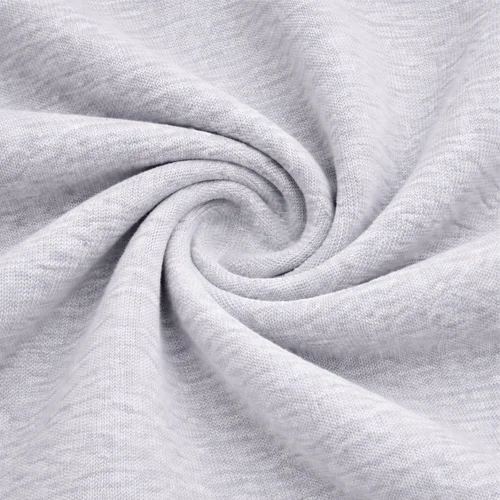
The classic sweatshirt fabric features soft interior loops that trap warmth while remaining breathable. Standard cotton fleece weighs 200-300 GSM, with heavier versions providing more insulation. The brushed interior creates that signature cozy feeling against your skin.
Pros: Excellent comfort, good breathability, natural temperature regulation
Cons: Prone to shrinkage, slower drying times, can absorb and hold moisture
Cotton-Polyester Blends
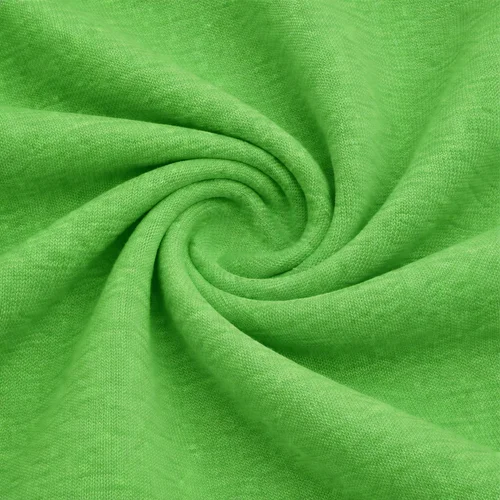
These workhorse fabrics combine natural breathability with synthetic durability. Common ratios include 80/20, 60/40, and 50/50 cotton-to-polyester blends, each offering different balances of softness, moisture management, wrinkle resistance, and shape retention.
Pros: Reduced shrinkage, faster drying, better shape retention, resists pilling
Cons: Less breathable than pure cotton, can develop static in dry conditions
French Terry
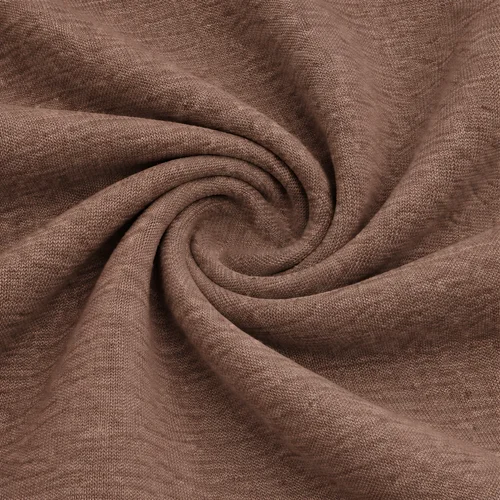
This distinctive fabric features a smooth outer surface with uncut loops inside, making it lighter and more breathable than traditional fleece. French terry typically weighs 180-280 GSM and offers a polished, clean aesthetic while maintaining comfort.
Pros: Excellent versatility, superior breathability, moderate warmth, refined appearance
Cons: Less insulation than fleece, may not provide enough warmth for severe cold
Performance Fleece and Technical Synthetics
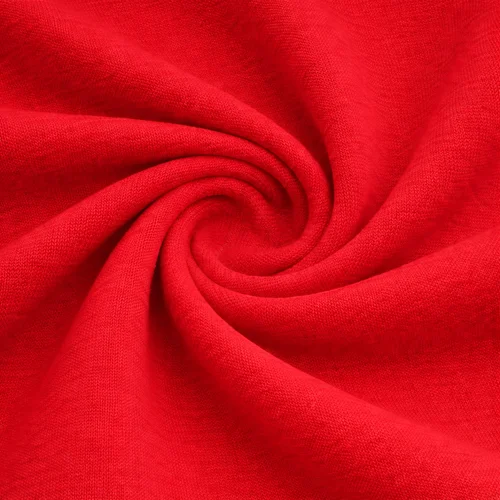
Engineered specifically for athletic performance or extreme conditions, these fabrics offer superior moisture management, quick-drying properties, and often include features like grid fleece interiors (creating air pockets for warmth without weight) or DWR (durable water repellent) treatments.
Pros: Excellent moisture management, quick-drying, lightweight insulation, and advanced features
Cons: Can feel less natural against skin, may trap odors more than cotton, and often more expensive
Jersey Knit
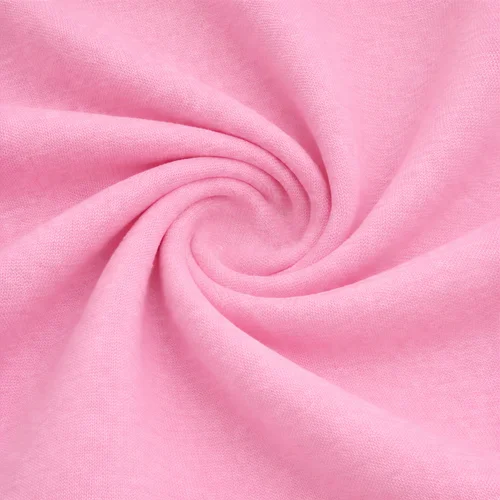
Like premium t-shirt material but in sweatshirt form, jersey knit offers exceptional softness and drape. Lightweight versions (200-250 GSM) work beautifully for summer sweatshirts.
Pros: Ultra-soft, highly breathable, casual drape
Cons: Minimal warmth, can stretch out over time, limited structure
Wool and Wool Blends
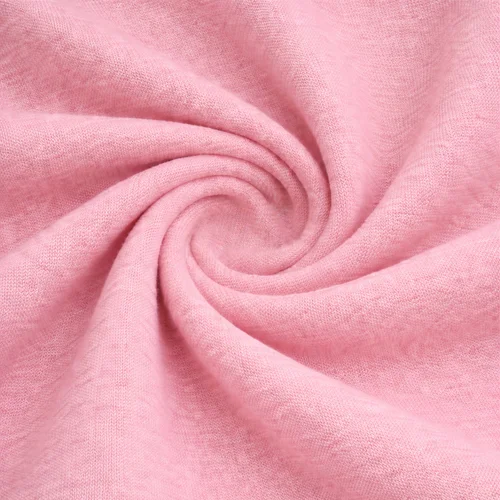
Though less common in sweatshirts, wool offers unmatched warmth-to-weight ratios with natural moisture-wicking and antimicrobial properties. You can wear wool multiple times without washing and still avoid unpleasant odors.
Pros: Excellent insulation, moisture-wicking, odor-resistant, temperature regulating
Cons: Can be itchy, requires special care, more expensive, not machine-washable
Spring: Navigating Unpredictable Weather
Spring weather swings wildly between chilly mornings that demand warmth and surprisingly warm afternoons where you'll want to shed layers. Your spring sweatshirt needs versatility above all else.
Top Spring Fabric Choices
French Terry (180-220 GSM)
French terry shines during spring months, providing just enough warmth for cool mornings without causing midday overheating. The smooth exterior layers easily under jackets when needed, while the looped interior offers comfort without bulk. Look for 100% cotton French terry for maximum breathability in warmer spring climates, or cotton-polyester blends (around 80/20 ratio) for regions with frequent spring showers—the synthetic content accelerates drying times considerably.
Lightweight Cotton Fleece (200-250 GSM)
Slightly more substantial than French terry, lightweight cotton fleece provides moderate insulation while maintaining breathability for warmer spring days. Cotton-rich blends strike an excellent balance between comfort and practicality, helping moisture evaporate during active moments.
Mid-Weight Cotton-Poly Blends (250-300 GSM)
As spring progresses toward summer, mid-weight blends offer comfortable substance for chilly evenings without feeling too heavy during the day. The polyester content provides wind resistance—helpful for those breezy spring days—while maintaining enough breathability for fluctuating temperatures.
Special Spring Considerations
For regions experiencing particularly rainy springs, consider sweatshirts with small percentages of spandex or elastane (typically 5% or less) blended into cotton or cotton-poly fabrics. While not waterproof, the stretch helps garments maintain their shape through repeated exposure to moisture and drying cycles. Spring is also prime layering season. Look for fabrics that work well both as standalone pieces and under light jackets or windbreakers, allowing you to adapt quickly to changing conditions throughout the day.
Summer: Prioritizing Breathability and Lightness
While sweatshirts might not be your first summer consideration, air-conditioned offices, cool evenings, beach bonfires, and post-workout layering create plenty of scenarios where you'll want light coverage without oppressive warmth.
Top Summer Fabric Choices
Lightweight French Terry (160-200 GSM)
At its lightest weights, French terry provides coverage without suffocation. Pure cotton versions excel in summer since the natural fiber allows maximum breathability and doesn't trap heat as synthetics can. The textured interior feels soft against the skin while the smooth exterior maintains a polished appearance.
Lightweight Cotton Jersey (200-250 GSM)
These fabrics feel similar to premium t-shirts but in sweatshirt form—super soft, highly breathable, and quick to dry. They offer minimal warmth, making them perfect for situations where you need light coverage without insulation.
Cotton-Poly-Rayon Tri-Blends
Especially, formulas higher in rayon content offer an ultra-soft hand-feel with excellent drape and exceptional airflow. These blends combine the best properties of all three fibers, creating comfortable summer options that resist wrinkles and maintain their appearance.
Cotton-Linen Blends
Though less common, cotton-linen blends provide outstanding summer performance. The linen component adds exceptional breathability and creates a slightly more textured, relaxed aesthetic. These blends wrinkle more easily than other options but excel in hot, humid conditions where airflow is paramount.
Performance Blends for Active Wear
If you need moisture management for early morning runs, evening workouts, or active summer pursuits, technical blends specifically designed for warm weather pull sweat away from your body for rapid evaporation. Performance polyester or polyester-cotton blends with moisture-wicking treatments work particularly well when you need light coverage during exercise.
What to Avoid in Summer
Skip heavy fleece entirely during the summer months. Even in air-conditioned environments, traditional 300+ GSM fleece will likely feel too warm and can cause uncomfortable sweating during transitions between indoor and outdoor spaces.
Summer Style Tip
Opt for crewnecks or half-zips over full hoodies during summer—they feel less enclosing in heat while providing the coverage you want.
Fall: Peak Sweatshirt Season
Fall represents the sweet spot for sweatshirt wear, when temperatures demand reliable warmth but haven't yet dropped to winter extremes. This is when you can explore the full range of sweatshirt fabrics and truly appreciate their versatility.
Top Fall Fabric Choices
Standard Cotton Fleece (250-300 GSM)
This weight hits the perfect balance for most fall conditions. The brushed interior provides cozy warmth for crisp mornings and evenings, while the cotton content prevents overheating during midday temperature spikes. This fabric weight offers excellent versatility—layer it under heavier jackets for maximum warmth or wear it as an outer layer on milder days.
Cotton-Polyester Blends (270-340 GSM)
As fall progresses and temperatures drop, cotton-poly blends become increasingly appealing. The iconic 80/20 or 60/40 cotton-polyester mixtures deliver softness, superior shape retention, reduced pilling, and reliable warmth. These blends provide insulation comparable to pure cotton fleece while offering better wind resistance and faster drying times—important considerations as wet weather becomes more common. The synthetic content helps fabric resist pilling and maintain its appearance through repeated wear and washing.
Mid-Weight Brushed Fleece
Lighter brushed fleece options work beautifully in early fall or milder climates, providing that signature cozy feeling without overwhelming warmth. These fabrics typically weigh 270-320 GSM and offer the perfect amount of insulation for 10-18°C (50-65°F) days.
Performance Fleece for Outdoor Activities
For hiking, camping, or any activity where you might work up a sweat despite cool temperatures, performance fleece fabrics excel. These synthetic materials trap warm air efficiently while remaining relatively lightweight, and their superior moisture management prevents that clammy feeling when you're active outdoors.
Sherpa-Lined or Heavy Brushed Interior Options
As fall transitions toward winter, sherpa-lined sweatshirts or those with heavier brushed interiors become relevant. These typically weigh 350 GSM or more and provide significantly more insulation than standard fleece, making them suitable for the coldest fall days or early winter.
Fall Versatility
Fall is the prime season for printed or embroidered sweatshirts—most blended fabrics accept customization exceptionally well, maintaining their quality and appearance through the decoration process.
Winter: Maximum Warmth and Protection
Winter demands sweatshirts that prioritize insulation and wind resistance while maintaining enough breathability to prevent moisture buildup from trapped perspiration. The goal is staying warm without becoming a sweaty mess inside your layers.
Top Winter Fabric Choices
Heavyweight Cotton Fleece (300-400 GSM)
Heavy cotton fleece provides substantial warmth for moderate winter conditions. The dense fabric traps body heat effectively, and natural cotton fibers regulate moisture reasonably well despite the weight. Pure cotton fleece performs best in dry winter climates where moisture management isn't as critical. The looped or brushed interior creates thermal pockets that retain warmth, making these fabrics feel exceptionally cozy against your skin.
Polyester-Heavy Blends or Synthetic Fleece
In cold, wet winter conditions, polyester-dominant blends or entirely synthetic fleece fabrics offer superior performance. Polyester doesn't absorb water like cotton does, allowing these fabrics to maintain their insulating properties even when damp. They also dry much faster than cotton—a crucial advantage when dealing with snow, sleet, or winter rain. Look for "polar fleece," thick cotton-poly blends, or fleece-backed options that combine substantial warmth with premium hand-feel.
Technical Winter Features
Advanced winter sweatshirts often incorporate features beyond just fabric weight:
Sherpa-Lined and Thick Fleece Options
For extreme cold, sherpa-lined sweatshirts or those with exceptionally thick fleece (400+ GSM) provide maximum insulation and that signature cozy feeling. These work excellently for outdoor winter activities or as comfortable indoor wear in poorly heated spaces.
Winter Layering Strategy
For layering under winter coats, consider slightly lighter fleece (250-300 GSM) in blended fabrics. This provides warmth without excessive bulk, allowing comfortable movement. Synthetic or synthetic-blend fabrics compress better than pure cotton, making them easier to layer without creating that puffy, restricted feeling. Pair heavyweight sweatshirts with windproof outer shells (parkas, puffers) for sub-zero conditions—fleece excels as a mid-layer, providing insulation while the outer shell blocks wind and precipitation.
Wool Blends for Extreme Cold
Though less common, wool-blend sweatshirts offer exceptional performance in extreme cold. Wool provides unmatched warmth-to-weight ratios, naturally wicks moisture, resists odors, and regulates temperature effectively—keeping you warm without overheating.
Climate-Specific Considerations
Your geographic location should significantly influence fabric choices beyond just seasonal changes. Understanding your local climate patterns helps you select fabrics that perform optimally in your specific environment.
Humid Climates
High humidity demands fabrics with excellent moisture management regardless of the season. Pure cotton absorbs moisture from the air, leading to that uncomfortable clammy feeling. Instead, opt for cotton-polyester blends or technical synthetics that prevent moisture absorption while promoting quick drying. Look for fabrics with moisture-wicking treatments or naturally quick-drying properties. Performance blends excel in humid conditions, actively pulling moisture away from your skin and facilitating evaporation.
Dry Climates
Low-humidity environments allow more flexibility with fabric choices since moisture management becomes less critical. Pure cotton fleece often performs beautifully in these conditions, providing warmth and comfort without the static electricity issues that sometimes plague synthetic fabrics. However, dry climates can make synthetic fabrics generate uncomfortable static. If you prefer blends, look for options with higher cotton content (70-80%) to minimize this issue.
Coastal Regions
Marine layers, fog, and persistent dampness characterize many coastal climates. Polyester-rich blends or treated fabrics that resist moisture absorption keep you more comfortable in these conditions. Fabrics that dry quickly become essential when dealing with constant environmental moisture. French terry and lighter fleece weights work well in many coastal regions where temperatures remain moderate, but dampness is constant.
High-Altitude Areas
Mountain environments require fabrics that provide warmth without excessive weight, as layering becomes essential. Grid fleece or hollow-core synthetic fleece offers excellent warmth-to-weight ratios perfect for these conditions. You'll also want fabrics that compress well for layering under shells and jackets. Synthetic blends typically outperform pure cotton in high-altitude environments where conditions can change rapidly.
Temperature-Volatile Regions
If you experience dramatic temperature swings throughout the day (common in desert and high-plains regions), prioritize versatile mid-weight fabrics that perform across wide temperature ranges. French terry and lightweight fleece (200-280 GSM) allow you to stay comfortable from chilly mornings through warm afternoons without constantly changing clothes.
Fabric Care and Longevity
The fabric you choose affects not only comfort and performance but also how long your sweatshirt maintains its quality and how much care it requires.
Washing and Drying Guidelines
To preserve color, texture, and fit, wash sweatshirts inside out in cold water. This protects the exterior from fading and reduces pilling in high-friction areas. Use gentle cycles to minimize stress on fibers. Air-drying is your best friend for extending a sweatshirt lifespam. If you must use a dryer, select low heat to prevent shrinkage and fiber damage. High heat can cause cotton to shrink dramatically and synthetic fibers to melt or deform.
Preventing Shrinkage and Damage
Cotton fleece typically shrinks more than synthetic blends, especially during the first few washes. Pre-shrunk cotton or cotton-poly blends minimize this issue. Many quality sweatshirts undergo pre-washing treatments that reduce future shrinkage significantly. For pure cotton sweatshirts, consider sizing up slightly to account for inevitable shrinkage, or commit to air-drying to maintain original dimensions. Synthetic fabrics resist shrinking but can pill more readily, especially in high-friction areas like under arms or where bags rest against your body. Turn garments inside out before washing to reduce surface pilling.
Fabric-Specific Care Tips
Storage Recommendations
Fold sweatshirts rather than hanging them to avoid stretching, especially with heavier fabrics. Hangers can create shoulder bumps and gradually stretch out the neckline. Use breathable storage bags for seasonal items, particularly for anything with delicate fabrics or embellishments. Avoid plastic bags that trap moisture and can promote mildew growth. Store clean garments only—body oils and sweat can set stains over time and attract pests.
Longevity Factors
Heavier fabrics generally last longer due to more substantial material that can withstand wear, but they also take longer to dry and require more energy to clean. Lighter weights may show wear sooner but offer easier care and faster refresh cycles. Quality construction matters as much as fabric choice. Look for reinforced seams, quality stitching, and properly finished edges. A well-constructed lightweight sweatshirt often outlasts a poorly made heavyweight one.
Sustainable Fabric Choices
As environmental awareness grows, many people seek sweatshirt options that minimize ecological impact while maintaining comfort and performance.
Eco-Friendly Materials
Understanding Environmental Impact
Fabric production significantly impacts our planet. Conventional textile manufacturing can lead to soil degradation, water pollution, excessive water consumption, and substantial carbon emissions. Your fabric choices directly influence these impacts. Cotton production, while natural, often requires intensive water use and heavy pesticide application. Synthetic fiber production relies on petroleum products and releases microplastics during washing. Understanding these tradeoffs helps you make informed decisions aligned with your values.
Brands Committed to Sustainability
Many companies now prioritize sustainable practices, including Patagonia (industry leader in environmental responsibility), tentree (plants trees with purchases), EcoVessel, and numerous other brands, proving you don't have to sacrifice style or quality for sustainability. Look for certifications like GOTS (Global Organic Textile Standard), OEKO-TEX, bluesign, or Fair Trade to verify environmental and social responsibility claims.
Practical Sustainability Tips
Quick Seasonal Reference Guide
| Season | Ideal Weigh | Best Fabrics | Key Benefits | Typical GSM |
| Spring | Light to mid-weight | French terry, cotton-poly blends, lightweight fleece | Breathability with light insulation, easy layering | 180-300 GSM |
| Summer | Lightweight | Jersey knit, light French terry, cotton-linen blends, tri-blends | Maximum airflow, quick-drying | 160-250 GSM |
| Fall | Mid to heavyweight | Cotton fleece, cotton-poly blends, brushed fleece | Versatile warmth, comfortable range | 250-350 GSM |
| Winter | Heavyweight | Heavy fleece, polyester-heavy blends, sherpa-lined, wool blends | Maximum insulation, moisture management | 300-400+ GSM |
Making Your Selection: Practical Decision-Making
With all this information, how do you actually choose the right sweatshirt fabric? Consider these factors:
Assess Your Primary Use
Consider Your Activity Level
Sedentary activities allow for heavier, cozier fabrics since you're not generating excess body heat. Active pursuits demand lighter weights with better moisture management to prevent uncomfortable sweating.
Evaluate Your Local Climate
Your environment dictates functional requirements. Humid climates need moisture management, dry climates allow pure cotton, coastal areas benefit from quick-drying fabrics, and variable climates reward versatile mid-weights.
Define Your Priorities
Rank what matters most: warmth, breathability, style, sustainability, easy care, durability, or softness. No fabric excels at everything, so understanding your priorities guides choices.
Build a Versatile Collection
Rather than searching for one perfect sweatshirt, consider building a small collection:
This approach ensures you always have appropriate options regardless of weather conditions.
Conclusion:
At Colaro Sports, we believe the perfect sweatshirt does more than just cover you; it empowers every movement, adapts to every dynamic climate, and reflects the passion that drives athletes, teams, and everyday hustlers alike. From the humid coastal mornings to the cooler winter evenings, choosing the right fabric isn't just about comfort; it's about performance that lasts through sweat, seasons, and style. Whether you're layering a lightweight, moisture-wicking French terry for spring training sessions, rocking a breathable cotton-rich blend during humid summer evenings, embracing midweight cotton-poly fleece for fall cricket practice, or wrapping up in heavyweight sherpa-lined warmth for those rare chilly nights—our premium, custom-engineered fabrics are built with you in mind. We prioritize breathability to beat the heat, superior moisture management to stay dry during intense workouts, and durable blends that hold up wash after wash, all while offering endless customization for your team, club, or personal brand. We combine innovative textiles—like recycled polyester options and advanced wicking treatments—with unmatched craftsmanship to deliver gear that performs as hard as you do. Your choice of sweatshirt isn't just apparel; it's a statement of quality, sustainability, and readiness for whatever comes next. Build your rotation with confidence. Stay comfortable, stay moving, and own every moment. Explore our full range of custom hoodies, crewnecks, and performance layers at Sweat Shirt — because at Colaro Sports, we don't just make sportswear; we craft victories.